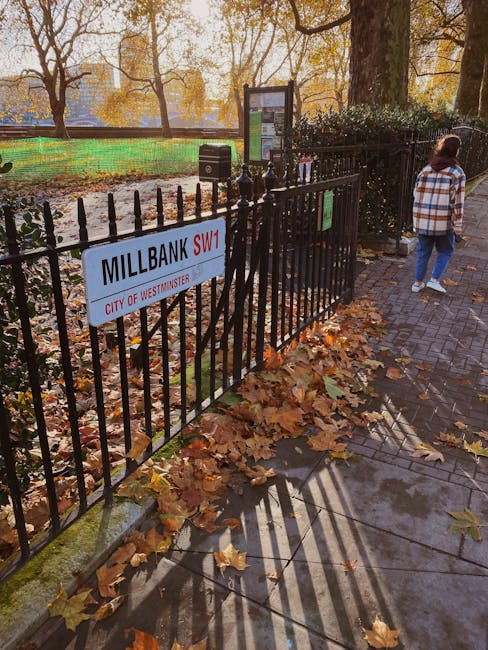
Skip permits and pavement regulations in SW1 areas
If you are planning waste removal in central London, the rules can feel fiddly very quickly. One moment you are trying to clear a flat, the next you are wondering whether a skip can sit outside on the road, whether the pavement is allowed, and who actually needs to apply for permission. That is exactly why understanding Skip permits and pavement regulations in SW1 areas matters before you book anything. In SW1, the streets are busy, parking is tight, and shared access is often limited, so a small oversight can turn a straightforward job into an expensive delay.
This guide breaks the topic down in plain English. You will learn what skip permits are, how pavement rules affect placement, where the common risks sit, and how to plan waste removal in a way that is practical, compliant, and less stressful. No fluff. Just the things that help you make the right call.
- Why it matters
- How it works
- Key benefits and practical advantages
- Who this is for and when it makes sense
- Step-by-step guidance
- Expert tips for better results
- Common mistakes to avoid
- Tools, resources and recommendations
- Law, compliance, standards, or best practice
- Options, methods, or comparison table
- Case study or real-world example
- Practical checklist
- Conclusion
- Frequently asked questions
Why Skip permits and pavement regulations in SW1 areas Matters
SW1 is not a loose, forgiving part of London where you can just place a skip and hope for the best. Around Westminster, Belgravia, Pimlico, St James's, Victoria, and nearby streets, access is often constrained by controlled parking, narrow carriageways, busy footfall, and buildings that sit right up to the pavement. That means the difference between a smooth clearance and a problem often comes down to the placement of the skip.
A skip on private land may be simple enough. A skip on the public highway is another matter. In practice, that usually means a permit is needed before the skip arrives, and the placement must not block pedestrians or create a hazard. Pavement regulations are especially important because a skip that overhangs or rests on a footway can create trip risks, force people into the road, and cause access problems for wheelchairs, pushchairs, deliveries, and emergency movement. Let's face it, that is the kind of issue nobody wants on a busy London weekday morning.
The key point is this: in SW1 areas, waste clearance is not just about getting rid of rubbish. It is about managing access, safety, timing, and compliance at the same time. If your project involves builders' debris, furniture, household clutter, loft contents, or office clear-outs, the placement rules matter just as much as the collection itself. If you need a broader waste solution, it can also help to look at waste removal options that fit tighter access conditions.
How Skip permits and pavement regulations in SW1 areas Works
At a practical level, the process usually comes down to three questions: where the skip will sit, whether the space is public or private, and whether it will interfere with normal use of the street or pavement. If the skip is going on a driveway, forecourt, or other private area, a permit may not be required. If it is going on the road or in a place that forms part of the public highway, permission is typically needed.
Pavement regulations are about more than just "is there room?". They deal with whether the skip can safely be placed without obstructing foot traffic, causing damage, or creating an unsafe edge. In SW1, many streets already operate under pressure from loading bays, resident parking, retail deliveries, and busier-than-you-think daytime movement. A skip that looks harmless at 7 a.m. can become a nuisance by 10 a.m. when the area wakes up.
There is also the practical matter of timing. Skip permits often have fixed durations, and extensions may need to be arranged if the project runs long. That part catches people out more often than you might think. A small delay on site, a late delivery of materials, or one more round of sorting can push a job beyond the original permit window. A tidy plan saves a lot of back-and-forth later.
For jobs involving building works or mixed debris, some customers choose a specialist approach rather than relying on a skip alone. In those cases, builders waste clearance can be a cleaner fit, especially where street space is limited or the building is awkward to access.
Key Benefits and Practical Advantages
When the permit and pavement side of the job is handled properly, the benefits are very real. It is not glamorous, but it is the bit that stops the whole plan wobbling.
- Fewer delays: You avoid last-minute removals, permit issues, and rushed rescheduling.
- Better safety: Proper placement reduces pedestrian obstruction and trip hazards.
- Less stress: You are not trying to solve access problems on the day the waste arrives.
- Cleaner project flow: Trades, residents, and neighbours are less likely to be disrupted.
- Lower risk of enforcement problems: A compliant setup reduces the chance of penalties or removal requests.
- More efficient waste handling: The right plan can make sorting and loading easier, especially on compact sites.
There is also a quieter benefit that gets overlooked: better neighbour relations. In SW1, where people are often living or working very close together, a skip positioned badly can cause complaints fast. A compliant, well-managed setup tends to pass almost unnoticed. That is usually the goal. You want the waste gone, not a new issue on the pavement.
For offices, flats, and business premises, the value is even clearer. A sensible approach to business waste removal or office clearance can avoid the hassle of a skip sitting outside a premises that is trying to keep doors open, staff moving, and customers coming and going.
Who This Is For and When It Makes Sense
This topic matters to anyone in SW1 who needs to remove a meaningful amount of waste and cannot simply leave it on private land. That includes homeowners, landlords, tenants, contractors, facilities teams, shop managers, office administrators, and people clearing a flat after a move or refurbishment.
It makes the most sense when:
- you have bulky or mixed waste that will not fit in regular bins
- your property has no driveway or off-street loading area
- the street is tight, shared, or heavily parked
- you are carrying out building works, decorating, or a move-out clearance
- you want a single collection point for several days rather than repeated trips to a tip
Some projects are simply better suited to other clearance methods. For example, a one-off flat clearance may be easier if done with a scheduled team rather than leaving a skip outside for days. The same goes for furniture-heavy jobs, where furniture clearance or furniture disposal may reduce disruption and avoid permit complications altogether.
If you are dealing with a larger household clear-out, the same logic applies. A complete house clearance or home clearance can sometimes be more practical than trying to manage a skip in a restrictive street. Truth be told, the best option is often the one that causes the fewest problems, not the one that sounds simplest at first.
Step-by-Step Guidance
If you are planning a skip in SW1, this is the sequence that tends to work best in real life. It keeps things calm, which is always nice when the street outside is already busy.
- Check where the skip will actually sit. Private land usually has fewer restrictions than the public highway. Measure carefully, because "it looks fine" is not a measurement.
- Assess whether the pavement or road will be affected. If any part of the skip will sit on or over a footway, treat it as a compliance issue, not a detail to sort later.
- Confirm access needs. Think about doors, bins, deliveries, wheelchairs, scaffolding, shop access, and emergency routes.
- Plan the waste type. Mixed waste, inert waste, green waste, and bulky household items can each create different handling considerations.
- Arrange the permit before delivery. Do not assume it can be retrofitted after the skip is in place. That is asking for trouble.
- Agree the placement window. Busy streets work better when the skip arrives and leaves at sensible times.
- Load safely and evenly. Keep the waste below the top line and distribute heavy items carefully.
- Remove or renew on time. If the job runs long, sort the extension early. Last-minute requests are never fun.
A small real-world example: someone clearing a flat in Pimlico may think the skip can go just outside the front railings for two days. Then they realise the pavement narrows near the entrance, a neighbour needs access for a pram, and the street already has controlled parking. The sensible move is to review options early, not after delivery. That little bit of planning saves a lot of awkwardness.
Expert Tips for Better Results
Here are the practical points that make the biggest difference in SW1. Not the flashy ones. The useful ones.
- Measure twice, book once. Access in central London is often tighter than it appears from a quick look outside.
- Think about the whole street, not just your frontage. A skip may technically fit but still create a problem for turning, loading, or passing pedestrians.
- Choose the right day and time. Early placement can be helpful, but only if it does not clash with building access, deliveries, or resident movement.
- Keep the load tidy. Overfilled skips are awkward and can become a safety issue.
- Separate reusable items where possible. That is especially useful for jobs involving furniture or room-by-room clearances.
- Ask about alternatives when space is tight. In many SW1 streets, a collection team working from the property can be easier than a skip on the highway.
If your waste includes items from a garden, a loft, or a garage, a targeted service often makes more sense than a generic skip. Garden clearance, loft clearance, and garage clearance can all reduce the amount of material left sitting around, and that makes access easier too.
One small but useful habit: take photos of the intended placement area before booking. Not for drama, just for clarity. It helps everyone understand the real space available, especially if the street layout is a bit awkward or there is a corner of pavement that looks wider than it truly is.
Common Mistakes to Avoid
People usually get into trouble in SW1 not because they ignore the rules on purpose, but because they underestimate the practical side of things. Very human, really.
- Assuming the pavement is "fine" if pedestrians can still squeeze through. That is not the standard you want to rely on.
- Leaving permit checks until the day before delivery. Central London schedules do not usually reward that approach.
- Booking a skip before measuring the frontage. It sounds obvious, but it happens.
- Forgetting about service access. Bin collections, building entrances, and delivery routes still need room.
- Overfilling the skip. That can create safety and transport issues.
- Choosing the wrong waste solution for the site. A skip is not automatically the best answer for every job.
Another common mistake is ignoring the nature of the waste itself. Heavy construction debris, for instance, may need careful loading and weight management. If the job is renovation-related, it is worth reviewing builders waste clearance or broader waste removal options before deciding on the skip route.
And here is a small one people forget: if you are clearing an office or business unit, the best time for waste removal may be outside opening hours. Sounds simple. It can make all the difference. Nobody enjoys moving a filing cabinet around when customers are trying to get through the door.
Tools, Resources and Recommendations
You do not need a complicated toolkit, but you do need a few basic things to make the process easier and more reliable.
- Measuring tape: Use this to check frontage, bay width, entrance clearance, and any narrow points.
- Site photos: A few clear pictures can help assess whether a skip is realistic.
- Project timeline: Note delivery, loading, permit duration, and expected completion.
- Waste inventory: List the main items so you know whether the job is household, commercial, green, or building waste.
- Booking notes: Keep a record of access codes, contact numbers, and any restrictions on the street.
For many customers, the most useful next step is not to hunt for more rules, but to choose the most suitable clearance method. If the job involves a flat, for example, a flat clearance can sometimes be cleaner and faster than leaving a skip outside. If you are clearing furniture only, the path may be even simpler with furniture-focused collection.
It also helps to look at the wider service standards behind the work. A provider's approach to health and safety, insurance and safety, and recycling and sustainability tells you a lot about how carefully they handle jobs in busy areas like SW1. That is not just paperwork. It is the difference between a tidy operation and a messy one.
Law, Compliance, Standards, or Best Practice
For this topic, compliance is absolutely relevant. The exact process can vary by borough and by the nature of the street, so it is best to treat local permission requirements as something to confirm before booking rather than something to assume. In SW1, the key principle is usually straightforward: if the skip will sit on public land, or if it affects the pavement or road space, permission and safe placement rules become central to the plan.
Best practice usually includes:
- making sure the skip is only placed where it is permitted
- avoiding obstruction to pedestrians, wheelchairs, prams, and emergency access
- keeping the load within safe limits
- displaying any required permit details or markings where needed
- arranging prompt collection or extension if the project overruns
It is also wise to think about waste carrier responsibility, sorting, and disposal standards. A reputable waste operation should be clear about how material is handled, where possible reuse or recycling fits in, and what happens if the waste stream changes halfway through the job. That kind of clarity matters, especially when the project involves mixed items from different rooms or trades.
If payment handling is part of your decision, it can help to review payment and security details before agreeing to anything. Likewise, if you want to understand how pricing is typically structured for clearance work, the pricing and quotes information is a sensible place to start.
Options, Methods, or Comparison Table
Choosing between a skip and a direct clearance service depends on access, waste type, and how much control you want over loading. In SW1, the access question usually decides it faster than anything else.
| Option | Best for | Advantages | Limitations |
|---|---|---|---|
| Skip on private land | Sites with driveways, yards, or forecourts | Simple loading, flexible timing, fewer street issues | Needs adequate space and may not suit every property |
| Skip on public highway | Properties without off-street space | Convenient for ongoing work nearby | Permit needed, pavement and access rules apply |
| Man-and-van style clearance | Flats, offices, furniture, mixed household waste | Less street obstruction, often faster in tight areas | Less DIY loading flexibility |
| Targeted room or item clearance | Lofts, garages, homes, single-item or category-specific jobs | Efficient, tailored, less clutter on site | Not always ideal for large building waste volumes |
A good rule of thumb: if the street is tight and the waste is mostly bulky items rather than rubble, a clearance service may be easier. If you have a predictable flow of material and enough legal placement space, a skip may still be the right fit. There is no prize for choosing the most complicated option.
Case Study or Real-World Example
Consider a typical SW1 scenario. A resident in a period flat near a busy road needs to clear out old furniture, broken shelving, and a few bags of mixed household waste before a refurbishment starts. At first, a skip seems like the obvious answer. But once the frontage is measured properly, it becomes clear the pavement is too constrained and the building entrance is used constantly by neighbours, couriers, and deliveries.
Instead of forcing a skip onto the street, the project is broken into two parts. Reusable furniture is separated, bulky items are removed in one visit, and the remaining waste is handled through a targeted clearance plan. The result is quieter, quicker, and much less awkward for everyone involved. No blocked pavement. No permit panic. No guessing.
That kind of decision is common in SW1. The best plan is rarely the one that looks strongest on paper. It is the one that fits the street, the building, and the schedule without creating side problems. A little practical judgement goes a long way.
If the job had involved a bigger property move or a full household emptying, a structured house clearance approach could have been even more efficient. In that sense, the skip is just one tool, not the answer to every waste problem.
Practical Checklist
Use this checklist before you book anything in SW1. It keeps the process grounded and avoids the classic last-minute scramble.
- Confirm whether the skip will be on private land or public highway
- Measure the available space properly
- Check for pedestrian, pram, wheelchair, and delivery access
- Review whether pavement obstruction could be an issue
- List the main waste types you need to remove
- Decide whether a skip is better than a direct clearance service
- Arrange permission or permit checks early
- Confirm delivery, collection, and any time restrictions
- Keep the load level and safe
- Prepare for extensions if the project might run long
- Review safety, insurance, and payment details before confirming
If you can tick most of those off, you are in a much better position. If several boxes are still uncertain, pause and re-plan. That is usually cheaper than fixing a bad setup later.
Conclusion
Skip permits and pavement regulations in SW1 areas are not there to make life difficult. They exist because the streets are busy, the pavements matter, and everyone in the area is sharing limited space. Once you understand where the skip can go, what the access risks are, and when an alternative clearance method makes more sense, the whole job becomes much easier to manage.
The smart approach is simple: measure carefully, check the placement rules, think about pedestrians as well as waste, and choose the method that fits the site rather than forcing the site to fit the method. That is how you keep a clearance project calm, tidy, and compliant.
If you are weighing up the most practical route for a flat, house, office, or mixed waste project, it is worth comparing the options early and choosing the one that saves time as well as hassle. Small decisions at the start tend to pay off later. Always.
Get a free quote today and see how much you can save.
Frequently Asked Questions
Do I need a permit for a skip in SW1?
If the skip is going on a public road or other public highway, a permit is usually needed. If it is fully on private land, permission may not be required, but you still need enough safe space for delivery and loading.
Can a skip sit on the pavement in SW1?
Not safely by default, no. Pavement placement can create access and safety issues, so it needs careful review. Even partial obstruction can be a problem if pedestrians, wheelchairs, or pushchairs are forced into the road.
What happens if a skip blocks the pavement?
It can lead to complaints, requests for removal, or enforcement action. More importantly, it creates a real safety issue for people passing by. In SW1, that kind of obstruction is unlikely to be ignored for long.
How long does a skip permit normally last?
That depends on the local process and the specific arrangement in place. The important thing is to confirm the duration before booking and to plan for extensions early if your project may run over.
Is a skip always the best option for a flat clearance?
Not always. For many flats, especially in tighter streets, a direct flat clearance can be more practical because it avoids leaving a container outside for days.
What if I only have bulky furniture to remove?
Then a furniture-focused service may be better than a skip. Furniture clearance or furniture disposal can reduce disruption and make access easier in SW1 streets.
Are builders' projects more likely to need skip planning?
Yes. Renovations and refurbishments often produce heavier, messier waste, which is why builders waste clearance is worth considering early. The waste type and street layout both matter.
Can I leave a skip out overnight in SW1?
Sometimes, but only where it has been properly approved and safely positioned. The exact rules and practical risks depend on the location, access, lighting, and any local restrictions. Overnight placement should never be treated casually.
What is the safest way to decide between a skip and a clearance team?
Start with the site. If there is plenty of private space and the waste can be loaded over time, a skip may work. If the frontage is tight or the building is busy, a clearance team is often the simpler answer.
How do I reduce the risk of delays?
Measure the space, confirm the placement rules, and organise everything before delivery. It also helps to keep a realistic schedule and avoid leaving permit checks to the last minute. That one catches people out all the time.
What should I check before paying for a waste service?
Look at the provider's payment, safety, and service details, including payment and security and the general standards they follow. It is a sensible way to understand how the job will be handled.
Where can I learn more about sustainable waste handling?
Review how the provider approaches reuse, sorting, and disposal. A clear recycling and sustainability approach is a good sign that waste is being handled carefully rather than simply rushed away.