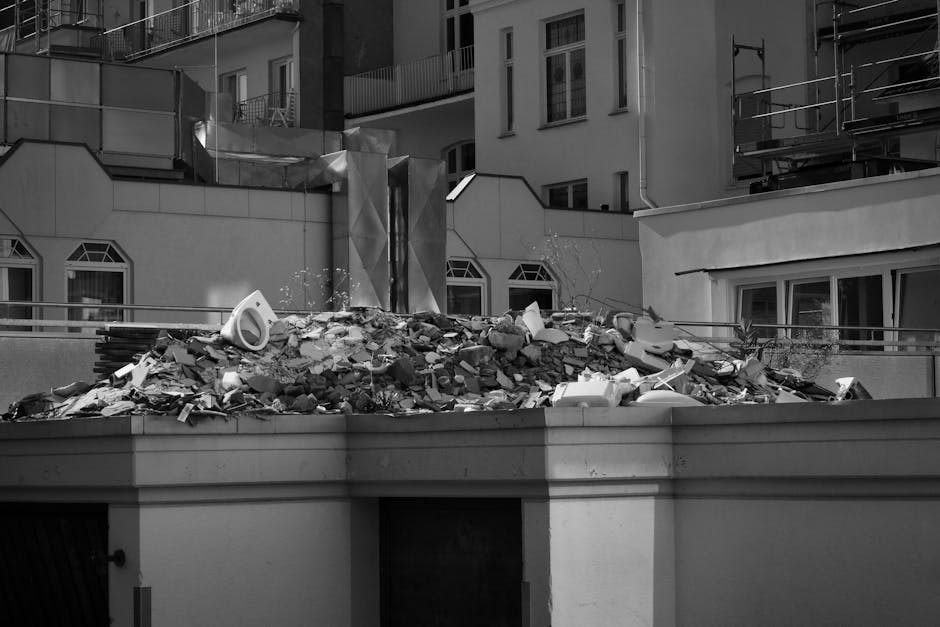
Builders' rubble removal after a Hackney renovation: a practical guide for homeowners and contractors
Renovating in Hackney is exciting until the debris starts piling up. Bags of broken plaster, old tiles, timber offcuts, dust-covered bricks, and the odd mystery item from behind a wall can turn a decent project into a bit of a headache. That is where builders' rubble removal after a Hackney renovation comes in. Done properly, it keeps the site safer, keeps neighbours happier, and helps the whole job move forward without the clutter taking over.
This guide breaks down what rubble removal actually involves, how it works in a real Hackney renovation, what to watch out for, and how to choose the right approach. Whether you are doing up a flat off Mare Street, refreshing a terrace near London Fields, or managing a larger property project, the basics stay the same: clear waste quickly, sort it sensibly, and avoid messy surprises.
Truth be told, rubble is one of those jobs people underestimate. It looks simple until you are knee-deep in plasterboard and broken masonry. Then it becomes very obvious why a structured plan matters.
Table of Contents
- Why builders' rubble removal matters
- How builders' rubble removal works
- Key benefits and practical advantages
- Who needs this service and when it makes sense
- Step-by-step guidance
- Expert tips for better results
- Common mistakes to avoid
- Tools, resources and recommendations
- Law, compliance, standards, and best practice
- Options, methods, and comparison
- Case study or real-world example
- Practical checklist
- Conclusion
- Frequently asked questions
Why Builders' rubble removal after a Hackney renovation Matters
Rubble is not just an eyesore. It affects safety, access, timing, and sometimes even the mood on site. In a place like Hackney, where homes often sit close together and access can be tight, waste builds up fast and gets in the way faster than people expect. A hallway blocked by old bricks or a front garden full of broken render does more than look rough; it slows work, makes lifting harder, and can create avoidable trip hazards.
For homeowners, the main concern is usually practicality. You want the new kitchen fitted, the bathroom finished, or the loft cleared so the next trade can get on with the job. For contractors, rubble removal is part of keeping the site productive. A clean site is easier to work on, easier to inspect, and much easier to hand over at the end.
There is also a reputational angle. If you are managing a renovation in a busy street, waste left sitting around can draw complaints quickly. Nobody loves the sight of a skip overflowing or dust drifting onto the pavement at 8am. Not exactly the finish you want after paying for a renovation.
Practical takeaway: rubble removal is not a finishing touch. It is part of the renovation workflow, and planning it early usually saves time, stress, and extra handling later.
It also matters for sorting. Builders' rubble is not the same as general household rubbish. Heavy materials like brick, concrete, mortar, tiles, and ceramics usually need separate handling from wood, metal, cardboard, plastics, and mixed renovation waste. Getting that wrong can lead to avoidable complications, especially if you are trying to keep the project tidy and disposal efficient.
How Builders' rubble removal after a Hackney renovation Works
At a practical level, rubble removal is the process of collecting, loading, transporting, and disposing of waste created during building work. That includes demolition spoil, broken masonry, chipped tiles, plaster, concrete fragments, and sometimes bulky fixtures that have been stripped out during the renovation.
In Hackney, the process often has to account for access. Terraces, maisonettes, conversions, and flats can all come with narrow side passages, shared entrances, stairs, or limited parking. That shapes the removal method. A team may use labour loading, wheelbarrows, rubble sacks, or a vehicle-based collection, depending on the volume and the site layout.
Typically, the process follows a simple flow:
- Waste is separated where possible on site.
- Heavy debris is bagged or stacked safely.
- The waste is moved to a collection point with minimal disruption.
- It is loaded into a vehicle or other transport.
- It is taken for sorting, recycling, or disposal.
That sounds straightforward, and mostly it is. The awkward bit is usually the middle. Old plaster mixed with timber and packaging can turn a neat clearance into a fiddly sort-and-lift job. A bit of planning goes a long way.
For many renovations, especially smaller ones, the best approach is to remove rubble in stages rather than letting it build up until the end. That keeps working areas usable. It also reduces the risk of damage to newly installed surfaces, which is one of those annoying little issues that can set a project back a day or two.
If you are comparing providers or trying to understand pricing, you may also want to look at pricing and quotes so you can see how different collection requirements are usually handled.
Key Benefits and Practical Advantages
There are some obvious benefits, and a few that only become clear once a project is already under way. Clean-up is one thing. Better site flow is another. And honestly, the mental relief of seeing a room return to order after demolition is not small either.
1. Safer working conditions
Loose rubble creates trip hazards, unstable piles, dust, and sharp edges. A cleared site is easier to walk through and safer for tradespeople, householders, and anyone checking progress.
2. Faster renovation progress
When waste is cleared regularly, trades can move materials around more easily and work in proper sequence. No one wants a plasterer waiting around because a pile of broken concrete is sitting in the way.
3. Better use of limited Hackney access
Space is often at a premium. Regular rubble removal prevents waste from taking over front gardens, hallways, or loading areas. That matters a lot where parking and access are already tight.
4. Cleaner handover
At the end of the project, a clear site is easier to inspect and sign off. You can actually see the work properly. Simple, but useful.
5. More responsible waste handling
When rubble is sorted and removed properly, reusable or recyclable materials are more likely to be diverted from landfill where suitable. If sustainability matters to you, that is a real advantage. You can read more about recycling and sustainability if that side of the process is important for your project.
| Benefit | What it means in practice | Why it matters in Hackney |
|---|---|---|
| Safety | Fewer trip hazards, less sharp debris, better movement around the site | Useful in narrow hallways, shared entrances, and compact gardens |
| Efficiency | Less time wasted moving debris around | Helps when access windows or parking are limited |
| Cleaner finish | Less dust and mess left at the end of each day | Improves neighbour relations and site presentation |
| Better sorting | Materials can be separated more sensibly | Supports more responsible disposal and recycling |
Who This Is For and When It Makes Sense
Builders' rubble removal after a Hackney renovation is relevant to a wide mix of people. Some are managing a full property overhaul, while others are just replacing a bathroom or knocking through a wall. The need is broader than many expect.
- Homeowners clearing debris after kitchen, bathroom, loft, or structural work
- Landlords preparing a flat between tenancies after refurbishment
- Builders and contractors who need regular site clearance to keep work moving
- Property managers handling multiple units or phased renovation work
- Developers dealing with demolition spoil and mixed construction waste
It makes sense whenever the waste is too heavy, too bulky, or too much to handle with ordinary household bins. In other words, pretty quickly once building work gets going.
A small cosmetic project may only produce a few rubble sacks. A larger refurb can generate a surprising amount of debris, especially if old plaster, tiles, and masonry are being removed. One wall comes down and suddenly the bags are multiplying like rabbits. That is renovation life, I suppose.
If you are still deciding how to structure the job, it can help to speak with a team that understands both the waste side and the practical realities of site access. The about us page is a useful place to get a sense of the company's approach, especially if you want a provider that values straightforward service and proper handling.
Step-by-Step Guidance
If you want rubble removal to run smoothly, a simple plan is usually enough. The trick is doing the simple things at the right time.
Step 1: Identify the waste types early
Before the debris starts building up, work out what you expect to remove. Builders' rubble often includes brick, block, concrete, mortar, tiles, plaster, and old sanitaryware. Separate out anything that should not be mixed in if possible, such as electrical items, packaging, or reusable fixtures.
Step 2: Check access honestly
Measure the route if you need to. Stairs, tight corners, low ceilings, shared hallways, and parking restrictions can all affect how waste is moved. A five-minute look now can save a lot of back-and-forth later.
Step 3: Choose the right collection method
Some jobs suit rubble sacks and manual loading. Others are better managed with a larger vehicle and more frequent uplift. The right choice depends on the volume, weight, and site layout.
Step 4: Keep rubble contained
Use sturdy bags, boxes, or designated piles so sharp fragments do not spread around the site. That is especially important if floors are newly finished or if people are still living in part of the property.
Step 5: Remove waste in stages
Do not wait until the end unless the project is very small. Regular removal keeps rooms functional and avoids the kind of pile-up that can become a nuisance.
Step 6: Confirm responsible disposal
Ask where the waste will go and how reusable or recyclable material is handled. You do not need a dissertation, just a clear explanation and a provider who can talk confidently about the process.
Step 7: Finish with a proper clear-down
Once the rubble is gone, do a final sweep for dust, nails, screws, and small fragments. Those tiny leftovers have a habit of showing up underfoot at the worst moment.
Expert Tips for Better Results
A few small decisions can make rubble removal noticeably smoother. In our experience, the best jobs are usually the ones that feel almost boring. No drama. No bottlenecks. Just a clean flow from demolition to clear site.
- Separate heavy rubble from lightweight waste where possible. It makes handling simpler and often more efficient.
- Keep walkways clear so collections can happen quickly without shifting half the site.
- Protect finished surfaces before any loading begins. Fresh flooring and rubble do not get on well.
- Schedule removals around noisy works if neighbours are close. That helps keep things calmer all round.
- Label bags or piles if different trades are producing different waste streams. It sounds fussy. It really helps.
- Ask for transparent pricing so you understand whether cost is based on volume, weight, labour, or access.
One useful habit is to treat rubble clearance as a recurring task rather than a one-off panic at the end. It sounds obvious, but a lot of people still do it the hard way. Then everyone is carrying bags of broken brick down a narrow staircase on a Friday afternoon. Not ideal.
If you need reassurance on site handling, take a look at the provider's health and safety policy and insurance and safety information. Those pages are useful for understanding how seriously operational safety is treated.
Common Mistakes to Avoid
Most rubble removal problems come from small planning failures rather than major disasters. A bit of foresight usually avoids the mess.
Mixing every material together
It is tempting to shove everything into one pile and deal with it later. That often creates more handling time and can make sorting less efficient. Mixed waste is harder to manage and tends to be more awkward on site.
Underestimating the volume
Renovation waste expands in strange ways. What looks like "just a few bags" can become several loads once broken down. Better to overestimate a little than to run out of space halfway through.
Ignoring access constraints
Hackney properties often come with tight entrances or shared access points. If a collection method does not fit the route, the whole thing slows down. Simple as that.
Leaving sharp debris loose
Broken tiles, nails, screws, and masonry chips can spread easily. Loose debris also creates puncture risks for bags and tyres.
Waiting too long to remove waste
A full site is harder to work on. It also tends to collect more dust and more frustration. Delay often costs more in the end, even if it feels easier in the moment.
Not checking disposal standards
Responsible disposal should not be a mystery. If a provider cannot explain what happens to the waste or how it is processed, that is worth a pause.
Tools, Resources and Recommendations
You do not need a warehouse full of gear to manage builders' rubble removal well. A few practical tools and habits go a long way.
- Heavy-duty rubble sacks for smaller fragments and breakable waste
- Wheelbarrows or sack trucks for moving heavy material safely over short distances
- Gloves and sturdy footwear to reduce cuts and knocks
- Dust sheets and floor protection for keeping finished areas cleaner
- Labels or marker pens if you are separating different waste types
- Tape measures for checking access and load sizes before collection
For admin and peace of mind, it also helps to keep an eye on payment, terms, and service expectations before you book. That is not exciting, granted, but it avoids confusion later. You can review payment and security and terms and conditions if you want the business side explained clearly.
If you are comparing providers, you might also want to read pricing and quotes so you understand what information usually helps produce a more accurate estimate.
Small note from experience: a good quote is often more about good information than good luck. Tell the provider the type of waste, the access, the location, and whether the site is occupied. That alone can sharpen the whole conversation.
Law, Compliance, Standards, and Best Practice
Builders' rubble removal sits within wider waste-handling expectations in the UK. You do not need to be an expert in regulations to manage a renovation properly, but you should understand the basics. Waste must be handled responsibly, and anyone producing waste has a duty to think about where it goes and how it is transferred.
In practice, that means working with a provider that can deal with waste safely, lawfully, and with proper documentation where needed. For site teams, a sensible approach is to keep waste streams separate where possible, avoid fly-tipping risk, and make sure loading and transport do not create hazards for workers or the public.
In Hackney, as in the rest of London, local conditions matter too. Tight streets, communal entrances, resident parking, and busy footpaths all raise the bar for tidiness and planning. If waste is being held on the public highway or near shared access points, you need to be extra careful about disruption and permissions. Best practice is to avoid assumptions and check the practical side before the pile appears.
It is also sensible to ask whether a provider follows clear safety processes, has appropriate insurance, and can explain how they reduce risk during loading and transport. That is not overcautious. It is just sensible business.
For readers who want to understand the company's broader approach to responsible operations, the modern slavery statement and recycling and sustainability pages can help show the standards behind the service. They are not directly about rubble, but they do say something useful about how the business is run.
Options, Methods, or Comparison Table
There is more than one way to clear builders' rubble after a renovation. The best method depends on the amount of waste, the space available, and how quickly you need the site clear.
| Method | Best for | Pros | Limitations |
|---|---|---|---|
| Rubble sacks and manual lifting | Small to medium clearances with tight access | Flexible, tidy, good for phased removal | Labour-intensive, slower for larger jobs |
| Vehicle collection | Moderate to large volumes | Efficient, quicker on busy projects | Needs access and enough loading space |
| Mixed waste removal | Renovations with varied debris types | Convenient when waste is not fully segregated | Sorting may take more time |
| Phased clearances | Live-in renovations or longer projects | Keeps site usable, prevents build-up | Needs planning and regular scheduling |
If the job is small and access is straightforward, manual loading can be perfectly sensible. For a larger Hackney refurb, phased clearances are often the least stressful option. The best method is the one that fits the real site, not the one that sounds neat on paper.
Case Study or Real-World Example
Picture a fairly typical Hackney renovation: a first-floor flat being updated with a new kitchen, new bathroom, and some internal replastering. The work produces old tiles, broken plaster, chunks of masonry, packaging, and a few bulky bits of removed fitting. Nothing dramatic, but enough to clog the hallway if left for a week.
At the start, the team sets aside a safe collection point near the entrance and separates heavy rubble from lighter mixed waste. During the demolition phase, rubbish is removed in smaller loads rather than waiting until every room is stripped. That keeps the flat usable for the trades and prevents the pile from creeping into the living space.
Midway through, there is a small issue: one doorway is narrower than expected because of protective boarding. A quick adjustment to the moving route saves a lot of time. That kind of thing happens all the time. Renovation work is rarely perfectly tidy in the middle, and that is fine.
By the end, the site is not just clearer; it is easier to inspect and much easier to finish. Dust is still there, of course. Renovations always leave a bit of dust. But the heavy waste is gone, and the project can close out without a final mountain of rubble sitting by the door.
That is the real value: fewer delays, less clutter, and a cleaner handover for everyone involved.
Practical Checklist
Use this quick checklist before and during builders' rubble removal after a Hackney renovation.
- Confirm the main waste types expected from the project
- Check whether anything can be reused, donated, or separated
- Measure access routes, stairs, and narrow points
- Decide whether removal should happen in one go or in stages
- Protect floors, walls, and door frames before loading begins
- Keep rubble contained in sacks, boxes, or designated piles
- Avoid mixing sharp debris loosely with lighter waste
- Confirm who is responsible for loading and transport
- Ask how recycling or disposal will be handled
- Review pricing, payment, and service terms before booking
- Plan a final sweep once the rubble has gone
If you can tick most of those boxes, you are already ahead of the game. Honestly, half the stress disappears once the waste plan is clear.
Conclusion
Builders' rubble removal after a Hackney renovation is one of those behind-the-scenes jobs that makes a huge difference when it is done properly. It keeps your project safer, helps trades work efficiently, supports better waste handling, and stops the property from feeling like a temporary depot for broken bricks and dust.
The strongest approach is usually the simplest one: assess access early, separate waste where possible, remove it in sensible stages, and choose a method that fits the site rather than fighting against it. In Hackney, where space and access can be tight, that kind of planning pays off quickly.
And if you are at the point where the rubble is becoming the project, not just part of it, that is your sign to get it sorted. No drama. Just a clean reset and a better finish ahead.
Get a free quote today and see how much you can save.
Frequently Asked Questions
What counts as builders' rubble after a renovation?
Builders' rubble usually includes broken bricks, concrete, mortar, tiles, plaster, render, and similar heavy construction debris. It may also include small amounts of mixed renovation waste if the job has involved demolition or stripping out.
Can I put builders' rubble in normal household bins?
Usually, no. Builders' rubble is heavy and bulky, so it is not suitable for ordinary household waste bins. It is better handled through a proper rubble clearance or waste collection service.
How often should rubble be removed during a renovation?
That depends on the size of the project, but regular staged removals are often best. If waste is building up and affecting movement, it is usually time to clear it.
Is rubble removal different in Hackney because of access issues?
Often, yes. Many Hackney properties have narrower access routes, shared entrances, or limited parking, so planning the loading and collection method matters more than in an open-site job.
What is the best way to handle mixed renovation waste?
Separate heavy rubble from lighter items where you can. Mixed waste can still be removed, but sorting it a little beforehand often makes the process easier and more efficient.
How do I know if a provider is handling waste responsibly?
Look for clear explanations of disposal, recycling, safety procedures, insurance, and terms. A trustworthy provider should be able to explain the process in plain English without getting vague.
Can rubble removal be done while the property is occupied?
Yes, in many cases. It just needs more care with dust control, timing, access, and noise. Live-in renovations usually work best with phased collections.
What should I ask for in a quote?
Ask what is included, how access affects pricing, whether labour is part of the service, and how different waste types are treated. Clear information upfront usually leads to a better quote.
Does builders' rubble get recycled?
Some materials may be recycled or recovered depending on their condition and the handling process. It depends on the waste type and how it is sorted, which is why responsible segregation matters.
What if I have a very small amount of rubble?
Even small amounts can be awkward if they are heavy or difficult to carry. A smaller collection may still be worthwhile if it saves time, reduces mess, or avoids repeated trips.
Do I need to worry about health and safety?
Yes, at least a little. Sharp edges, dust, lifting strain, and trip hazards are all common during renovation waste handling. Good protective gear, safe loading, and proper planning make a big difference.
Where can I find more information about the company before booking?
You can review the company's about us, contact us, and complaints procedure pages if you want a better sense of service standards and support.